

One weak spot can take down a whole electricity grid, do lasting damage to a brand, and even put people's safety at risk.
Like any connected device, EV charging networks can be a target for cybercrime. Every way in is another risk, whether that is cloud platforms, vehicle systems, the power grid, energy management tools or the apps people use.
The convenience and benefits of a connected charging network usually outweigh the risks. But that only holds if charger makers take security seriously.
Regulators are now bringing in stricter cybersecurity rules across the EU and beyond, and charging networks have to keep up. Since August 2025, EV chargers must meet new rules under the EU's Radio Equipment Directive (RED), known as Delegated Regulation (EU) 2022/30. These rules focus on protecting the network, protecting personal data and preventing fraud, so users stay fully protected.
Security is built in, not added on
At Peblar, we think about cybersecurity from the very first design step. We build security into the software, into the hardware, and we check it again with every update.
We do this so our chargers stay safe, compliant and ready for the future, and so users never have to worry about a Peblar charger. Because we design with security first, protection is part of every stage, not something added at the end.
The main protections include:
- EN 18031 certified: our chargers meet Europe's cybersecurity standard for connected radio equipment (RED Delegated Regulation (EU) 2022/30).
- Encrypted communication (OCPP 1.6-J): the data sent between the charger and the network is fully encrypted, so it cannot be read or tampered with.
- Over-the-air updates (OTA): we can send security fixes and updates to chargers remotely and safely, with no need to visit them in person.
Together, these make every Peblar charger a secure point in a connected system, protecting users, operators and the wider grid.
Security is never finished
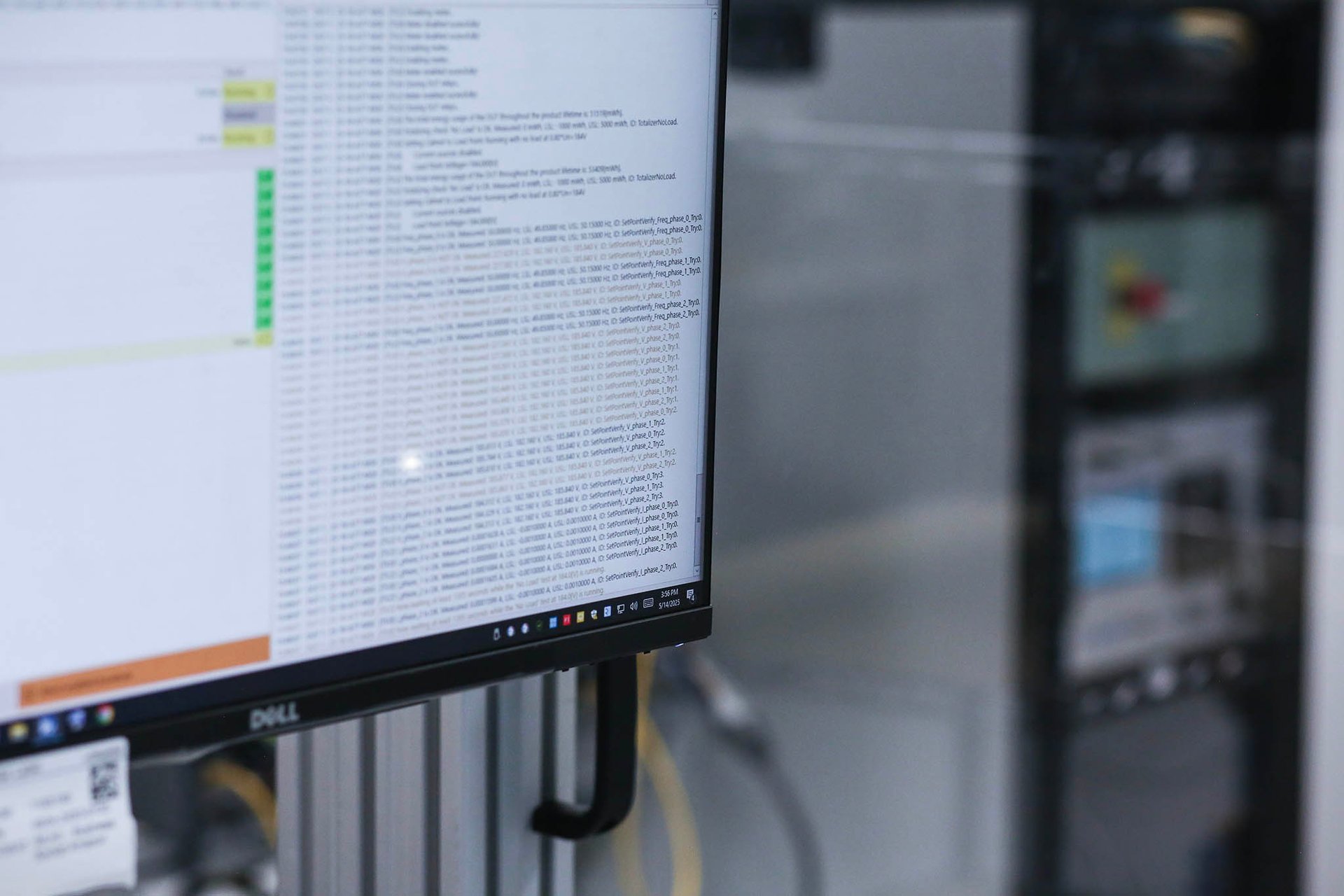
Keeping chargers safe is an ongoing job of testing, checking and improving. We run automated tests all the time to make sure no new weak spots slip in as the software changes.
The fight against cybercrime is never truly over. But we are confident that the way we design, build and embed security into our chargers will keep users and networks safe today, and help secure the future of EV charging.
Read our whitepaper to learn more.